Search
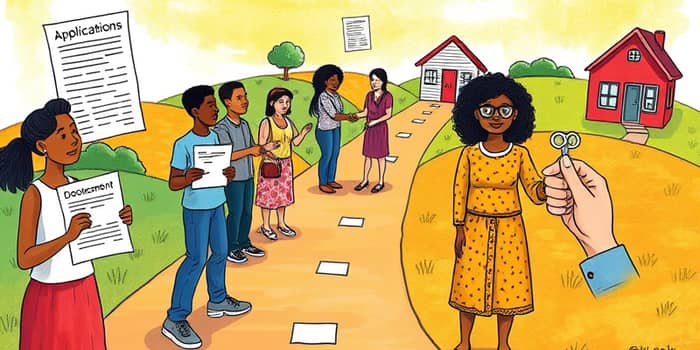
Every borrower embarks on a multi-phase process that transforms a simple request for funds into a tangible, life-changing loan. Understanding each phase deeply empowers applicants and lenders alike to navigate complexities and achieve seamless loan processing and funding.
The journey begins when an individual or business completes the formal paperwork required by the lender. This critical entry point determines whether the candidate meets baseline requirements.
During this stage, applicants must provide:
Lenders perform an initial risk assessment, often called pre-qualification, using loan application submission and pre-screening to decide if the file merits further evaluation. Prompt, accurate information at this stage lays the foundation for a swift journey.
Once pre-screened, the application moves into a structured processing system. Loan officers assemble a comprehensive file that includes the original form, interview notes, and any internal comments.
Key verification steps include:
Each document is scrutinized for accuracy, triggering requests for missing items or clarifications. Efficiency here can cut days from the overall timeline.
At the heart of the loan journey lies the underwriter, whose expertise transforms raw data into an informed risk decision. This stage demands detailed underwriting and risk analysis.
Underwriters evaluate factors such as:
Requests for additional explanations or documentation may arise, extending the process but ensuring a robust credit decision. Underwriting outcomes include approval, conditional approval, or decline.
An approved loan transitions into the final documentation and funding phase. Borrowers receive detailed disclosures outlining terms, repayment schedules, covenants, and fees.
Steps include:
With signatures complete, the loan moves to active servicing. Borrowers begin scheduled payments, escrow handling, and periodic statements—closing the origination loop and opening the servicing cycle.
Efficient lenders track cycle-time metrics to measure performance. Industry benchmarks illustrate how technology and preparedness shorten each phase.
Common timelines for a residential mortgage:
Overall, borrowers often complete the process in 30–45 days. Top-performing lenders can close in as few as 32 days—
enhanced process efficiency through technology drives this reduction compared to a 52-day peer average.
Approval rates fluctuate by season regardless of applicant quality. Data shows swings of up to 20 percentage points throughout the year.
Example breakdown:
Borrowers applying during peak seasons may face higher competition or limited staffing, influencing outcomes. Awareness of seasonal approval swings helps applicants choose optimal timing.
Loan originations today benefit from digital tools that automate verifications, e-signatures, and real-time status alerts. Integrating AI-based fraud detection and data analytics accelerates decisions and improves accuracy.
Key strategies for borrowers and lenders:
By embracing innovation, stakeholders ensure preparation for timely fund disbursement and minimize friction at every milestone.
Understanding each phase of the loan journey empowers borrowers to anticipate requirements and lenders to streamline workflows. When information flows smoothly and technology enhances each stage, the path from application to approval becomes predictable and efficient—opening doors to new possibilities and achievements.
References