Search
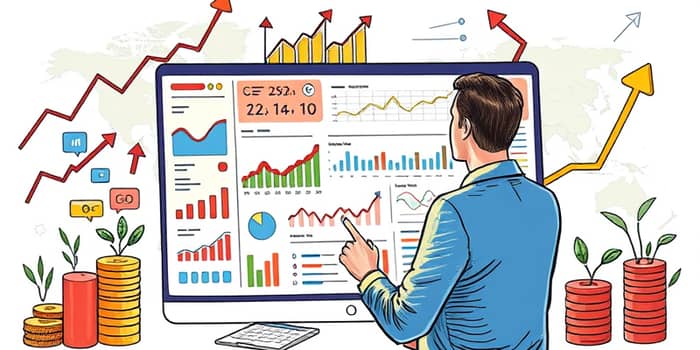
Every investor has a unique story. Whether you are just starting out or managing a complex multi-asset portfolio, having tailored insights at your fingertips can make all the difference. With a customizable investment dashboard, you gain the power to see what matters most, when it matters most.
A customizable investment dashboard is more than a static report. It is a dynamic digital interface that aggregates data from multiple sources and presents it in a way that aligns with your objectives and style. From brokerage accounts and retirement plans to real estate and alternative assets, everything comes together in one place.
True customization means choosing and arranging widgets, setting filters, and defining groupings by asset class, sector, or goal. You decide how charts, tables, and key performance indicators (KPIs) appear. This level of control transforms raw numbers into actionable insights you trust.
Investors today expect tools that match their pace and purpose. A one-size-fits-all approach can leave gaps in understanding and slow down critical choices. Personalization delivers:
For advisors and wealth managers, tailored dashboards also streamline collaboration, compliance checks, and reporting, making every client interaction more efficient and focused.
Designing a dashboard that reflects your strategy involves selecting core elements:
By mixing and matching these modules, you can craft a personalized view that aligns with your decision-making style and information needs.
Understanding and comparing metrics is essential for a coherent picture of returns and risk. Below is a simple reference table highlighting common metrics and their uses:
Customization will vary based on user type and objectives. Here are three common profiles:
Individual Investors: Often prioritize a clean layout with a snapshot of allocations, simple performance charts, and glanceable goal progress. Many hide advanced risk metrics in favor of clear allocation pie charts and progress bars.
Financial Advisors & Managers: Need multi-client views, compliance widgets, and workflow integrations. Advisors set up household-level dashboards alongside detailed account analytics, KPI tiles for AUM, inflows, and concentration risk, and shareable, read-only links for clients.
Family Offices & Angel Investors: Manage complex holdings including private equity, real estate, and operating businesses. They leverage entity-based views, cash flow projections for each investment, and IRR reporting across multiple deal vintages. Custom alerts for funding rounds or liquidity events keep them ahead of opportunities.
Whether you are creating your first dashboard or refining an existing one, follow these steps to ensure success:
By following this process, you create a living tool that adapts with your journey, not a static report that gathers dust.
Beyond numbers, a personalized dashboard can foster greater confidence and emotional engagement. Seeing progress toward a specific goal in bold colors or receiving an alert when your equity allocation drifts can spark renewed commitment to your plan.
Feeling in control of your investments reduces anxiety during volatile markets and empowers disciplined decision-making. When you know that every widget and chart reflects your priorities, you are more likely to stay invested and less likely to react impulsively.
Customizable investment dashboards represent a paradigm shift in portfolio management. They replace fragmented data silos with a cohesive, truly user-centric interface for growth that grows with you. By thoughtfully selecting metrics, visuals, and layouts, you gain unparalleled clarity, speed, and confidence in your decisions.
Start by defining what matters most, integrate your data sources, and design a dashboard that tells your unique story. As you engage with your investments on this personal canvas, you will find that managing wealth becomes not just a task but a deeply rewarding journey.
Embrace the power of personalization today—transform how you see, understand, and act on your financial world.
References