Logo
Home
>
Investment Tools
>
Portfolio Visualization: Seeing Your Investments Clearly

Portfolio Visualization: Seeing Your Investments Clearly

05/16/2026
Giovanni Medeiros
Portfolio Visualization: Seeing Your Investments Clearly

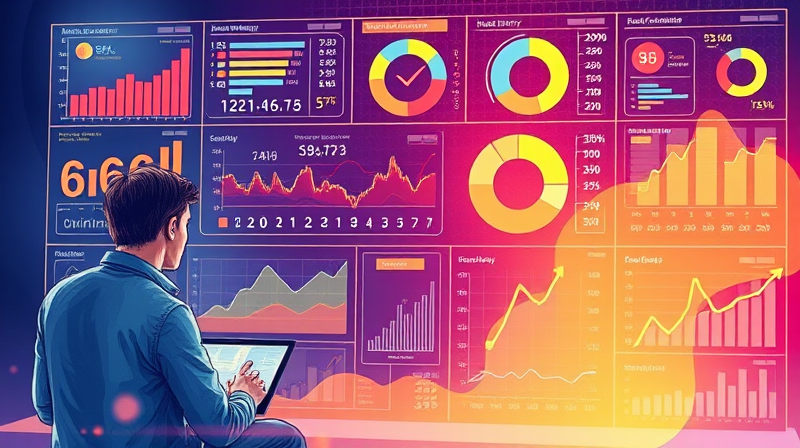
In today’s fast-moving markets, investors and advisors grapple with vast amounts of data. Complex investment data can overwhelm, hide trends, and delay decisions. Portfolio visualization transforms raw numbers into intuitive charts and dashboards that reveal allocation, performance, risk, and trends at a glance.

By harnessing the right visuals, you can build confidence, spot opportunities and risks faster, and align strategies with goals.

Why Visualize Your Portfolio?

Raw spreadsheets and tables require deep concentration and often fail to highlight key signals. Charts, on the other hand, leverage our natural ability to spot patterns and anomalies in visual form.

When you embrace visual tools, you gain:

  • Rapid decision-making capabilities by instantly identifying underperforming holdings.
  • Clear communication with clients or stakeholders through engaging dashboards.
  • Deeper insights into asset allocation and diversification that support long-term goals.

Essential Chart Types for Clear Insights

Selecting the right chart begins with defining your question. Are you tracking performance over time or comparing sector weights? Match your need to the chart:

  • Bar/Column Charts: Compare categories like sector performance, sorted to spot historical highs and lows.
  • Line Charts: Track cumulative returns, portfolio growth, or benchmark comparisons over time.
  • Pie/Donut Charts: Visualize allocation across asset classes or sectors (best for fewer categories).
  • Treemaps: Display hierarchical data, such as equity concentration by sector.
  • Heat Maps: Highlight performance gaps and risk concentrations in an interactive grid.
  • Scatter Plots: Analyze risk versus reward with volatility and return coordinates.

Popular Portfolio Visualization Tools and Platforms

Choosing the right platform depends on your technical comfort, depth of analysis, and reporting needs. Below is a snapshot of leading options:

Best Practices for Effective Visualizations

Well-designed dashboards guide the eye to the most important message within seconds. Keep these principles in mind:

  • Match chart to question: Begin with the decision you need to make before choosing a visual.
  • Inverted pyramid design: Lead with key signals at the top, details below.
  • Avoid clutter and competing focal points: Limit charts to six to eight per dashboard and use clear labels.
  • Real-time interactive dashboards: Enable filtering, scenario modeling, and mobile access.
  • Regular reviews and audits: Establish a pre-publish checklist and revisit dashboards quarterly.

Key Metrics and Analysis Components

Visuals shine when they drive home critical numbers. Focus on these categories:

  • Performance Metrics: Total and annualized returns, benchmark comparisons, growth curves.
  • Risk Indicators: Sharpe ratio, Beta, max drawdown, volatility charts.
  • Allocation and Diversification: Sector, asset class, regional exposures; fund look-throughs.
  • Other Analytical Tools: Monte Carlo simulations, credit/maturity breakdowns, timing strategy analysis.

Bringing It All Together

Portfolio visualization is more than pretty charts—it’s a strategic toolkit that empowers you to make informed choices, manage risk, and communicate insights with clarity. By combining the right chart types, robust platforms, and disciplined design practices, you’ll transform complex data into a compelling narrative.

Next time you review your holdings, ask yourself:

  • What decision am I trying to make?
  • Which visual tells that story most directly?
  • How can I arrange information so the key takeaway is immediate?

Embrace portfolio visualization today and unlock the full potential of your investments.

Giovanni Medeiros

About the Author: Giovanni Medeiros

Giovanni Medeiros, 27 years old, is a writer at baladnanews.com, specializing in responsible credit solutions and financial education.