Search
Managing credit is a critical step toward financial freedom. Whether you’re building credit for the first time or rebuilding after setbacks, understanding the difference between secured and unsecured cards can empower you to make choices that fuel your goals. In this article, we’ll explore each type, weigh their pros and cons, and offer practical guidance for building strong credit.
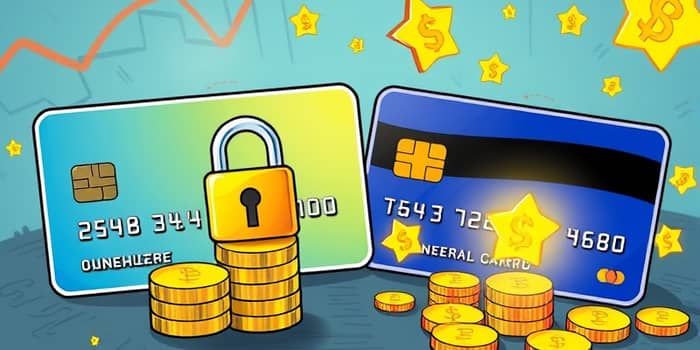
Secured credit cards require a refundable cash security deposit that typically becomes your credit limit. This deposit shields issuers from risk and opens doors for those with limited or poor credit history. Unsecured cards, by contrast, grant credit based on income, score, and payment history without holding collateral.
Despite this key difference, both card types function similarly for purchases, bill payments, and cash access. They report account activity to major credit bureaus, helping users establish or maintain credit profiles when managed responsibly. Interest rates and annual fees vary widely across issuers and account features.
Deposit amounts vary by issuer, with minimums around $200 and maximums up to $5,000. You choose a deposit level that matches your budget and desired limit. Once your account reflects a track record of punctual payments and low balances, many providers will refund your entire deposit or offer a credit line increase without additional collateral.
Secured cards serve as a foundational tool for credit building but come with trade-offs that every consumer should understand.
Understanding these advantages and drawbacks will help you decide if a secured card aligns with your financial journey and immediate credit needs.
Unsecured cards remain the most popular choice for consumers with established credit. Their flexibility and rewards make them appealing, but they require responsible handling to avoid debt traps.
Among the primary benefits are reward programs that earn cash back or points, often paired with introductory 0% APR offers for balance transfers or purchases. They typically feature higher credit limits, allowing you to cover larger expenses or maintain favorable utilization ratios.
Many come with additional perks such as travel insurance, purchase protection, and extended warranties, adding value well beyond basic spending power. Reduced or waived annual fees and tiered interest rates also make unsecured cards more cost-effective for those who pay balances promptly.
On the downside, approval standards can be strict. Applicants generally need a score above 670 and a proven income history. Failing to pay on time or carrying high balances can lead to steep interest charges, late fees, and long-term score damage if left unchecked.
Rewards structures can range from straightforward cashback percentages to point systems with travel partners and rotating category bonuses each quarter. Strategic use of balance transfer offers and 0% APR promotions allows you to consolidate debt or finance large purchases interest-free when handled judiciously.
Your choice between secured and unsecured cards should reflect your credit profile, financial goals, and ability to manage spending. Consider these guidelines as you weigh options:
Preapproval checks typically do not impact your credit score, letting you compare offerings and identify the best fit without risk. Always read terms carefully to spot hidden fees or rate hikes after introductory periods.
Whether you start with a secured card or transition to an unsecured option, these strategies will strengthen your score over time:
First, pay on time and in full every billing cycle. Late or partial payments can result in penalties and credit slippage that take months or years to reverse.
Next, keep your credit utilization low—aim for 30% or less of your available limit. This demonstrates fiscal discipline and helps scoring models reward your responsible habits.
Set up automatic reminders or payments to avoid missed due dates. Monitoring your statements monthly also helps you catch errors or unauthorized charges early, protecting your finances and credit health.
As your record improves, request credit limit increases or ask your issuer to graduate you to an unsecured card. Many banks will refund your deposit once you meet payment and utilization benchmarks over six to twelve months.
Regularly review your free annual credit reports to catch inaccuracies and ensure all on-time payments and balance updates are reported correctly. Disputing errors promptly can preserve your score and give you a clear picture of your credit health.
Choosing between secured and unsecured credit cards hinges on your current credit standing and long-term objectives. Secured cards offer a controlled entry point, while unsecured cards reward established credit with perks and flexibility. By weighing the pros and cons, leveraging preapproval tools, and practicing disciplined account management, you can set yourself on a path toward healthy credit and financial confidence.
References