Search
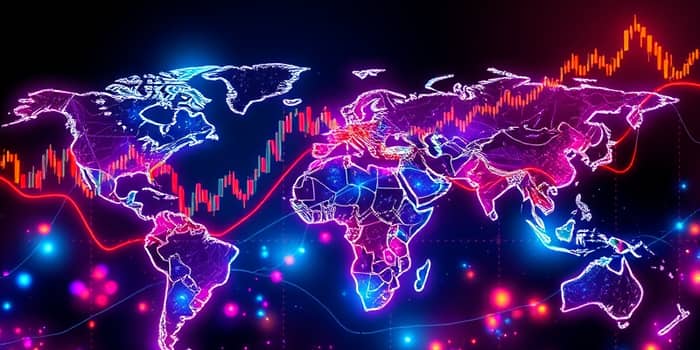
The futures market acts as a 24-hour window into investor sentiment and global economic trends. As traders around the world react to overnight developments, index futures provide critical clues about the opening direction of major benchmarks. With the latest data revealing mixed performance across the US, European, and Asia-Pacific regions, now is the time to understand how these instruments work and how you can leverage them for smarter decision-making.
Index futures are contracts that allow market participants to lock in future prices of underlying stock indices at a predetermined date. They are derivatives of actual indexes such as the S&P 500, Dow 30, Nasdaq-100, and Russell 2000, offering traders a mechanism to hedge exposure or speculate on market moves without owning the constituent stocks directly.
These futures trade nearly around the clock, spanning multiple time zones and providing near-constant pricing discovery. Whether you are a long-term investor or an intraday speculator, understanding index futures equips you with a powerful tool to anticipate market shifts and manage risk effectively.
One of the most valuable aspects of index futures is their ability to signal potential market gaps at the US open. Because they are trading continuously during Asian and European market hours, futures reflect overseas developments before domestic trading begins.
Consider these key roles of futures as indicators:
Current futures data reveals a clear divergence among regions. While US indices hover in slightly negative territory, European contracts show robust gains, and Asia-Pacific benchmarks struggle with bearish pressure. Recognizing these patterns can help you align your positions with broader trends.
This divergence underscores the importance of a global view. European strength, led by the IBEX 35’s impressive +2.40% gain, highlights regional optimism, while Asian softness may hint at emerging headwinds or profit-taking.
Several factors are currently influencing index futures across the globe. Understanding these drivers will help you anticipate volatility and identify trading opportunities:
Each of these elements can spark sudden moves in futures, creating both risk and potential profit for well-prepared traders.
Whether you are hedging an equity portfolio or speculating on short-term moves, here are practical strategies to harness the power of index futures:
By adopting a disciplined framework and leveraging the 24-hour nature of futures, you can refine your trading edge and respond swiftly to global developments.
Index futures provide an invaluable lens through which to view global market dynamics and anticipate opening moves. The current mixed signals across the US, Europe, and Asia-Pacific reflect a complex web of economic data, policy risks, and corporate performance. By decoding these futures and integrating them into your strategy, you can enhance your ability to navigate volatility and seize opportunities.
Remember, success in futures trading comes from continuous learning, disciplined risk management, and a clear understanding of the forces at play. Stay informed, stay agile, and let the world’s interconnected markets guide your next move.
References