Search
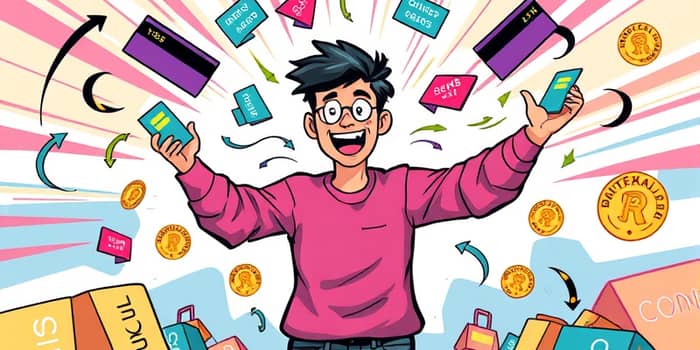
In an era where every sign-up bonus, introductory discount, and loyalty perk vies for our attention, a select few consumers have discovered a method to harness these offers deliberately. By cycling through products, plans, and cards, they unlock a torrent of rewards without sacrificing financial health or burning bridges with providers.
We call this approach strategic, high-engagement cycling. It transforms conventional churn—often a business risk—into a pathway for personal gain. Whether you’re navigating credit card bonuses or switching streaming subscriptions, mastering this technique demands insight, discipline, and ethical restraint.
The term “product churning” wears many hats. At its core, it describes a consumer tactic: deliberately moving between offerings to maximize benefits. However, it contrasts sharply with how companies view churn—customers leaving their service.
By flipping churn mechanics on their head, savvy users turn predictable promotions into a steady stream of perks while maintaining positive standing with each provider.
Before you can outsmart churn defenses, you must understand them. Companies leverage machine learning and statistical models to predict which customers will leave, how much value they bring, and how likely they are to accept retention offers.
Armed with these insights, businesses deploy targeted tactics to keep the most profitable, responsive users—and let the rest drift away.
Research shows directing retention efforts at high-value, at-risk, responsive customers can boost profits by over 180% without extra spending. Understanding these triggers allows the churner to position themselves for the best deals.
To receive the most lucrative offers, aim to emulate the customers companies fight hardest to retain. By signaling high value and responsiveness, you invite generous bonuses and win-back campaigns.
With this approach, you’re not simply hopping between services; you’re strategically positioning to receive the highest-tier offers before moving on.
Armed with theory and tactics, it’s time to build a personal roadmap for product churning. Follow these steps to transform scattered offers into a cohesive rewards engine.
This disciplined process turns random deals into systematic rewards generation. It protects you from accidental fees, prevents burnout, and ensures providers remain willing to extend future offers.
Though product churning can yield impressive perks, it carries obligations. Missteps can damage your credit score, strain customer service teams, or violate provider terms of service.
Stay within ethical bounds by:
By respecting these limits, you preserve the churn ecosystem for yourself and future strategists.
Product churning is both an art and a science—melding tactical discipline with a deep understanding of corporate retention psychology. When done responsibly, it empowers you to enjoy significant bonuses and perks across credit cards, subscriptions, and beyond.
Embrace this strategy as a long-term, sustainable practice. Cultivate strong relationships with providers, track every deadline, and negotiate confidently. In return, you’ll unlock a cycle of rewards that transforms ordinary consumerism into a high-yield venture.
Master the art of product churning, and watch your net rewards soar.
References