Search
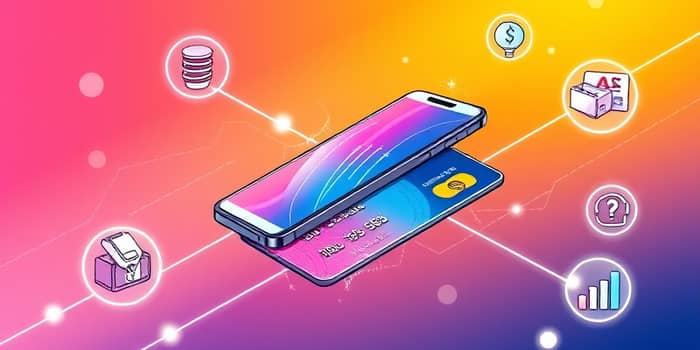
In today’s fast-paced world, the union of mobile payments and credit cards has revolutionized the way we transact. By integrating digital wallets such as Apple Pay and Google Pay with your trusted credit cards, you can experience a new level of financial agility and simplicity. This article explores the synergy between these technologies, providing data-driven insights, practical tips, and a forward-looking perspective for consumers and businesses alike.
Mobile payments refer to digital wallets that store credit card information on smartphones or smartwatches, allowing you to make tap-to-pay purchases without physical cards. Whether you are in a brick-and-mortar store or shopping online, these wallets act as a centralized hub for all your payment needs. This transformation reduces the need to carry multiple plastic cards, streamlining your wallet to a single device you already use daily. As technology evolves, this duo has become not just a novelty but an essential tool for modern consumers seeking efficiency and speed.
Usage of mobile wallets in the United States has skyrocketed in recent years, with 53% of Americans now tapping into this technology more frequently than traditional credit or debit cards. Consumers make an average of 48 payments per month, 11 of which are executed via mobile devices—an increase from just 4 monthly transactions in 2018. Credit cards still lead in share with 35% of payment volume, followed closely by debit at 30%, while mobile and remote channels now account for 23% of total purchases and peer-to-peer transfers. These figures reflect a clear shift toward digital-first payments and set the stage for continued growth.
The table above highlights three key metrics that illustrate how mobile payments have permeated both in-person and online shopping experiences. E-commerce purchases increasingly favor mobile channels, with digital wallets capturing nearly one-third of North American online transaction volume. Meanwhile, contactless payments are on the rise at physical point-of-sale terminals, with readiness in 89% of outlets thanks to widespread EFTPOS upgrades. These statistics underscore a global movement toward convenience-driven commerce.
Beyond impressive numbers, the true appeal of pairing mobile wallets with credit cards lies in everyday convenience. Gone are the days of sifting through a bulging wallet to find the right piece of plastic. Instead, at checkout, a simple gesture against a reader completes your purchase in under a second. This seamless tap-to-pay convenience in seconds frees you from fumbling at busy registers and reduces checkout times dramatically. Integration with budgeting and finance apps also means that every transaction is recorded and categorized automatically, helping you stay on top of spending.
Whether you are grabbing morning coffee, booking a last-minute flight, or paying utility bills on the go, the flexibility offered by digital wallets turns your smartphone into a versatile financial hub that travels with you.
Security remains a top concern for any form of payment, but the mobile-wallet-plus-card combination actually enhances protection. Instead of transmitting your actual card number, transactions use a unique tokenized code for every purchase, rendering stolen data useless to fraudsters. Biometric authentication—via fingerprint or facial recognition—adds another layer of defense, ensuring that only you can authorize payments. In case of loss or theft, remote locking and device tracking allow you to disable your wallet instantly without impacting the physical card itself.
This robust protection framework diminishes common risks associated with lost or skimmed cards, giving you peace of mind every time you tap, swipe, or click to pay.
One of the most compelling reasons to use credit cards through mobile wallets is the enhanced rewards structure. Some issuers offer higher cash-back rates and bonus points when you pay via digital wallets. For example, the Apple Card provides 2% daily cash back on purchases made through Apple Pay—double the rate compared to the physical card. Similarly, premium travel cards may award triple points on mobile transactions, making every tap more valuable than ever.
Beyond base rewards, certain credit cards waive fees or offer built-in insurance benefits—such as cell phone protection against damage or theft—when you pay your monthly phone bill with the card. These higher cash-back rates via mobile wallet options turn routine purchases into an opportunity to accelerate your earnings and safeguard your devices all at once.
Young adults have emerged as the biggest adopters of mobile wallets, with 45% of those aged 18 to 24 using smartphones for nearly half their payments. This trend has been amplified by the pandemic, which saw global mobile payment users grow from 900 million to 1.48 billion. However, older shoppers and low-income groups still rely on cash, highlighting the need for inclusive strategies that accommodate everyone’s comfort level.
On the business side, companies increasingly issue virtual cards within employee digital wallets to manage expenses, enforce limits, and streamline reconciliation. This approach can reduce up to 5% in operational costs while empowering workers with instant purchasing power that adheres to corporate policies.
No innovation is without challenges. Mobile payments depend on charged devices and network connectivity. A dead battery or poor signal can temporarily leave you without access to funds. Acceptance also varies: some small merchants may not yet support tap-to-pay readers. To navigate these hurdles, follow a few simple guidelines:
By preparing for these potential drawbacks, you can maintain uninterrupted access to your digital payment arsenal under any circumstances.
The trajectory for mobile and credit card integration shows no signs of slowing. Industry forecasts predict that e-commerce card spending will climb to 45% of overall volume by 2030, driven partly by mobile channels and digital wallets. Global contactless spending is expected to exceed $10 trillion, with emerging markets accelerating adoption through national mandates and mobile point-of-sale solutions. This contactless payments surging globally trend underscores a broader shift toward digital wallets as a primary payment form. As internet penetration deepens and fintech innovation continues, we can expect more personalized payment experiences, loyalty tie-ins, and seamless peer-to-peer transfers built right into our wallets.
Merchants of all sizes, from large retailers to neighborhood cafés, are investing in contactless infrastructure. This widespread availability will further normalize mobile payments as an everyday convenience rather than a luxury feature.
In conclusion, combining mobile wallets with credit cards offers a powerful synergy of convenience, security, and rewards. By embracing this technology, consumers can lighten their physical load, protect their finances with advanced safeguards, and maximize the value of every transaction. As we look ahead, this dynamic duo is poised to reshape the future of commerce, making every purchase simpler, faster, and more rewarding. Adopt these tools wisely and enjoy a smarter way to pay.
References