Search
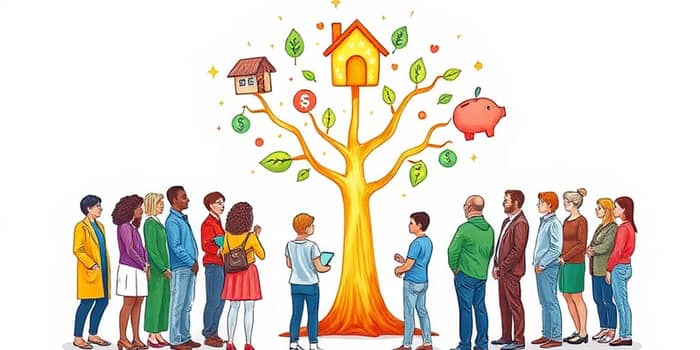
Loans are often seen as burdens, but with the right knowledge they can become powerful allies in achieving your financial goals.
A loan provides access to capital that might otherwise be out of reach, enabling individuals to preserve savings, pursue opportunities, or manage cash flow.
When used with a clear repayment plan, loans can help you spread large costs over time without depleting emergency funds. Yet, every loan carries the obligation to reimburse the lender plus interest, creating future financial responsibilities. Understanding the terms is critical to avoid costly missteps.
By leveraging a loan, you can avoid dipping into retirement savings or emergency reserves, thus protecting your long-term stability and maintaining healthy cash flow.
Borrowers can choose from a diverse loan options fit a variety of needs. Selecting the appropriate loan type depends on your goal, credit profile, and repayment capacity.
Below is a quick comparison of these categories:
Personal loans often come with no collateral requirements and fixed interest, making them ideal for home improvement projects or consolidating high-interest credit card balances. Unsecured options depend on credit and income, whereas secured loans may leverage an asset for lower rates.
Debt consolidation loans streamline multiple obligations into a single payment, often with a lower average interest rate, reducing the mental load of tracking several due dates and lending consistency to your budget.
Home equity loans and lines of credit tap into the value of your property to fund major expenses, from medical bills to business investments, but they place your home at risk if repayments lapse.
Credit-builder loans and small business financing cater to niche goals: one lifts your credit score through timely payments held in escrow, the other injects capital into entrepreneurial ventures with terms from 12 months to 25 years.
While student loans empower career growth, federal options stand out for their borrower protections. Auto loans lock in rates tied to vehicle value and creditworthiness, often secured by the car itself.
Strategic borrowing can unlock opportunities that accelerate wealth building and personal growth. For example, student loans often offer income-based repayment options, deferment, and forgiveness programs, helping recipients invest in their education without immediate repayment pressure.
Home mortgages enable buyers to build equity over time, and a conventional mortgage with a 20% down payment avoids private mortgage insurance. Veterans may qualify for a VA loan with no down payment requirement and no mortgage insurance.
Auto financing at a fixed rate can facilitate reliable transportation for work, increasing earning capacity while preserving cash reserves for emergencies.
Loans are not without drawbacks. Interest charges add to the cost, sometimes doubling the principal over a long term. Variable-rate loans can expose you to rate fluctuation risk, making budgets unpredictable.
High-risk options like payday loans often carry triple-digit APRs and can lead borrowers into debt cycles that harm credit. It is essential to exhaust safer alternatives before considering these emergency funds.
Certain loan types may offer tax advantages—mortgage interest can be deductible if you itemize, and student loan interest up to $2,500 may be eligible for credits, depending on income—yet these benefits should not justify borrowing beyond your means.
Defaulting on payments can result in damage to your credit score, legal actions, or loss of collateral. Always be conscious of the total cost including fees before signing an agreement.
A loan should fit within a strategic financial planning framework. Begin by reviewing your current financial health:
Once you understand your finances, you can determine how a loan enhances your plan. For instance, a home equity loan may offer a lower rate than credit cards for renovation, preserving flexibility in your budget.
Consulting a financial advisor can ensure your borrowing aligns with retirement targets, investment strategies, and tax planning. Capturing any employer 401(k) match and regularly contributing to IRAs remain essential steps alongside smart borrowing.
To use loans effectively:
Maintaining good credit opens doors to lower rates and better loan offers. By combining disciplined repayment habits, effective budgeting tools, and the right choice of loan, you can turn borrowing into a lever for growth rather than a source of stress.
Loans, when approached with knowledge and foresight, are far more than just liabilities. They are instruments that can help you achieve significant milestones—education, homeownership, entrepreneurship, and beyond.
By matching the right loan type to your goals, understanding all associated costs, and embedding borrowing within a robust financial plan, you can secure a future built on opportunity rather than burden. Embrace loans as a strategic tool, not an endpoint, and watch how they can transform your financial journey.
References