Search

In an era where traditional banks often struggle to meet the evolving needs of small businesses and underserved consumers, alternative lending has emerged as a powerful catalyst for growth and innovation. This article delves deep into the landscape of non-bank financing, offering practical insights and inspiration for anyone seeking funds beyond the usual channels.
Alternative lending, also known as fintech lending or marketplace lending, refers to any financing that occurs outside of traditional banks and credit unions. It leverages digital platforms and data-driven models to extend credit in ways that were unimaginable just a decade ago.
By tapping into technology-driven underwriting and real-time data sources, these lenders can serve borrowers with greater speed and flexibility than traditional institutions.
The global financial crisis of 2008 reshaped how banks manage risk, leading to much tighter lending standards. Over the subsequent decade, small-business loan approvals at major banks fell by 38%, leaving a significant liquidity void for small businesses.
As regulatory pressures mounted, many banks retreated from small-dollar and higher-risk borrowers. Alternative lenders stepped in, offering accessibility and fast funding to startups, growing companies, and consumers who previously faced rejection.
Key trends driving this shift include:
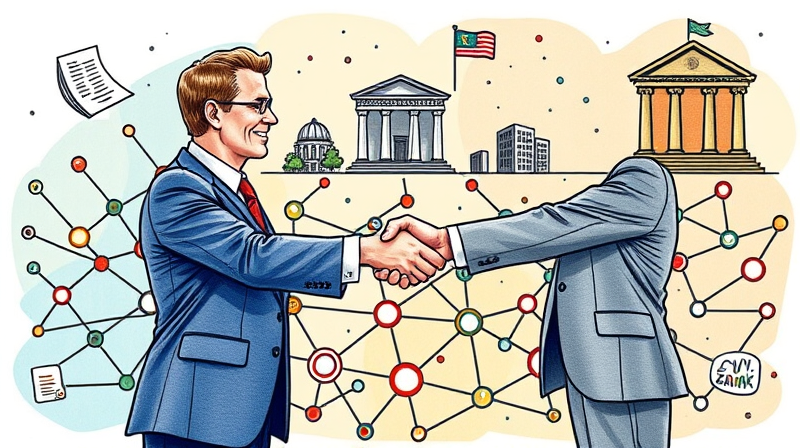
While both types of lenders aim to provide capital, they differ markedly in structure, speed, cost, and eligibility criteria.
Structural Differences: Banks rely on manual reviews, substantial documentation, and in-person meetings, whereas alternative lenders use streamlined digital applications and data feeds from merchant accounts, accounting software, and e-commerce platforms.
Speed and Accessibility: Traditional approvals can take weeks or months. Many fintech lenders promise funding in hours or days, fulfilling the critical need for speed and flexibility.
Cost and Transparency: Bank loans typically feature interest rates between 6.8% and 11% APR, while alternative products range from 14% up to 99% APR, especially for merchant cash advances. Higher fees and factor rates can obscure true costs, creating a trade-off between convenience and price.
The alternative lending ecosystem offers a diverse set of products designed to meet specific financing needs. Understanding these options can empower businesses and individuals to choose the right tool for their unique situations.
Pursuing non-bank funding need not be daunting. Follow these actionable steps to improve your chances of approval and secure favorable terms:
1. Assess Your Needs: Clearly define the loan purpose and amount required for your project or operation.
2. Gather Digital Records: Compile bank statements, merchant account data, accounting software exports, and tax filings in easy-to-upload formats.
3. Compare Lenders: Evaluate rates, fees, term lengths, and repayment structures across multiple platforms to identify the best fit.
4. Maintain Clean Cash Flow: Demonstrate consistent revenue by reconciling accounts and resolving any outstanding receivables.
5. Prepare a Simple Business Plan: Outline revenue projections, funding usage, and repayment strategy to instill confidence in underwriters.
Across industries, firms that leveraged alternative lending have accelerated growth and weathered cash-flow challenges more effectively. A retail startup used invoice factoring to fund a rapid inventory expansion, increasing sales by 40% within six months. A software-as-a-service provider tapped into revenue-based financing to scale its user acquisition without diluting equity.
Looking ahead, continued advances in AI-driven credit modeling, blockchain-based identity verification, and embedded finance within digital platforms promise to further democratize access to capital. As the gap between demand and supply narrows, borrowers will benefit from sharper pricing, richer product diversity, and truly customized financing solutions.
Alternative lending has transcended its role as a mere substitute for bank loans—it has become an ecosystem that champions inclusivity, speed, and innovation. By understanding the nuances of each product, preparing robust documentation, and choosing the right partner, businesses and individuals can unlock new growth trajectories beyond the walls of traditional banks.
Embrace these modern financing tools and transform financial barriers into stepping stones for future success.
References