Search

Managing multiple debts can feel overwhelming, but two proven strategies can help you regain control and momentum. By understanding how each method works and which suits your personality, you can clear balances faster and with greater confidence.
In this article, we’ll dive into the core differences between the debt snowball and avalanche methods, walk through practical steps for each, and explore real-life examples to guide your decision. Let’s transform debt repayment into an empowering journey.
At a high level, the debt snowball method prioritizes small balances first, generating quick emotional wins. The debt avalanche method targets high interest rates, optimizing for cost savings. Both approaches require making minimum payments on all accounts, then directing extra funds to the prioritized debt until it’s paid off.
The debt snowball approach is valued for its simplicity and motivational impact. By focusing on the smallest balance first, you create a series of early victories that can fuel long-term discipline.
Although you still accrue interest on larger balances, the strategy’s core strength is smallest balance first approach, which delivers quick emotional payoff.
The debt avalanche strategy is built around achieving the greatest long-term savings by tackling high-interest accounts first. It requires more patience but rewards you with minimizes total interest paid over the repayment period.
This method appeals to those who value highest interest rate prioritization and enjoy tracking every dollar of interest saved.
The snowball method’s biggest advantage is its ability to generate momentum through early wins. It’s build consistent payment habits and reduces the number of active accounts swiftly. However, ignoring APR can lead to higher overall interest costs and potentially extend the repayment timeline.
On the other hand, the avalanche method offers reduce ongoing cognitive load on your finances by cutting interest costs dramatically. The trade-off is that it may take longer to see your first debt disappear, which can challenge motivation if you crave quick results.
Your individual goals, personality, and financial situation should guide your choice. There is no one-size-fits-all solution—both methods succeed when executed with dedication and consistent budgeting.
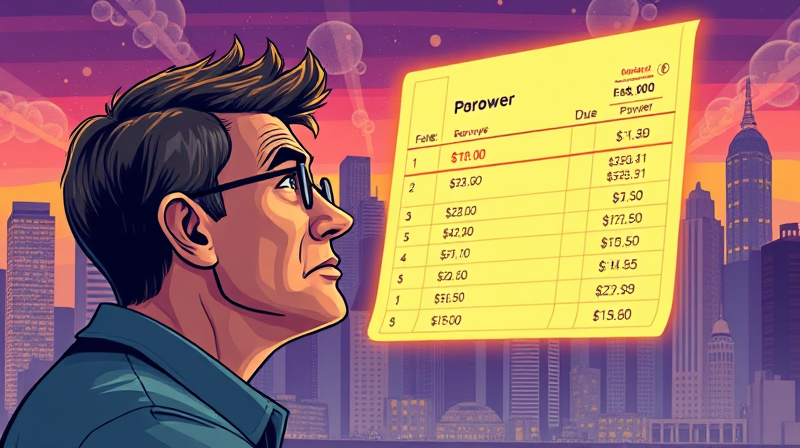
Imagine you carry three credit card balances: $500 at 18% APR, $1,500 at 22% APR, and $3,000 at 15% APR. You have $300 available monthly for extra payments. Under the snowball method, you would first target the $500 balance and knock it out in two months, then apply the full $300 toward the $1,500 balance.
By contrast, the avalanche method would direct the extra payment to the 22% APR card first, saving you more in interest but delaying the first payoff milestone. Over a typical 18-month repayment horizon, the avalanche can save hundreds of dollars in interest charges.
Variations include the “debt snowflake” (applying occasional windfalls or small savings toward debts) and the “reverse snowball” (paying largest balances first if they carry dire financial consequences). These adaptations can add flexibility to your core strategy.
Regardless of the method chosen, discipline and regular review are essential. Automate payments where possible, set periodic checkpoints to adjust your budget, and celebrate each debt elimination as a victory.
By applying track multiple due dates seamlessly and maintaining a clear budget, you’ll create a sustainable pathway to financial freedom. Remember, the true art lies in consistent action, not perfection—start today and watch your debt diminish one step at a time.
References