Search

Digital lending has undergone a remarkable transformation driven by rapid technological advances that deliver speed, inclusion, and personalization to borrowers and lenders alike. From underserved gig workers to small business owners, modern borrowers now access credit with unprecedented ease. This article explores the key innovations, models, and real-world implementations revolutionizing lending today and shaping its future.
At the heart of this financial revolution lies a constellation of emerging technologies that streamline processes and open credit access to millions. Traditional underwriting that once spanned weeks now completes in minutes, thanks to automation and data analytics.
Leading the charge, AI-driven underwriting automates decisions by evaluating vast datasets in real time. When combined with alternative data credit scoring—including utility payments, rental history, and e-commerce transactions—lenders achieve more inclusive risk profiles and reduce default rates.
By harnessing non-traditional sources—such as social media footprints, transaction histories, and even smartphone usage patterns—lenders craft bespoke credit profiles. This approach extends financial services to thin-file borrowers, gig workers, and emerging market consumers who previously lacked formal credit records.
Generative AI tools now serve as virtual co-pilots, offering proactive support and tailored loan structures. Conversational AI voicebots provide 24/7 multilingual assistance, guiding applicants through the process and sending timely reminders. Together, these innovations break down language, literacy, and infrastructure barriers for truly global inclusion.
As digital lending matures, new models emphasize flexibility, transparency, and user-centricity. These frameworks cater to diverse needs and deliver credit exactly when and where it matters most.
Despite these advances, digital lending faces critical hurdles. Security and privacy concerns demand robust biometrics, end-to-end encryption, and identity verification to safeguard data. Regulatory frameworks must evolve in step with technology to ensure responsible lending and consumer protection.
Competition from nimble fintech startups and neobanks intensifies, pushing legacy institutions to adopt agile methodologies. To stay ahead, firms will invest in continuous AI training, expanded API ecosystems, and partnerships that fuse financial expertise with domain-specific platforms.
Looking forward, the industry will embrace hyper-personalization, instant lending through point-of-sale integrations, and more sophisticated risk models powered by real-time analytics. By 2026, AI will serve as the "core engine" driving every stage of the lending lifecycle.
Several pioneering platforms illustrate how these technologies converge to deliver real-world impact:
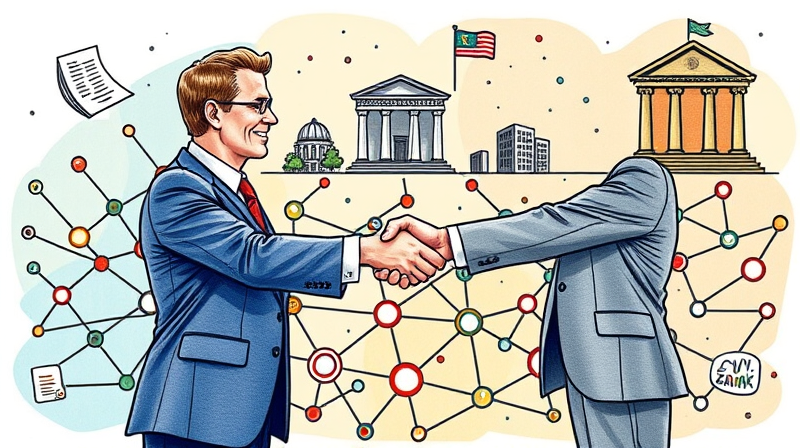
Through these implementations, millions gain access to credit that once lay beyond their reach. As the digital lending landscape evolves, stakeholders across finance, technology, and regulation must collaborate to uphold ethical standards, innovate responsibly, and ensure equitable outcomes for all participants.
Inspiring a future where credit flows freely and responsibly, digital lending stands poised to unlock opportunities worldwide. By embracing advanced technologies and focusing on human-centered design, the industry can build a financial ecosystem that truly serves everyone.
References