Search
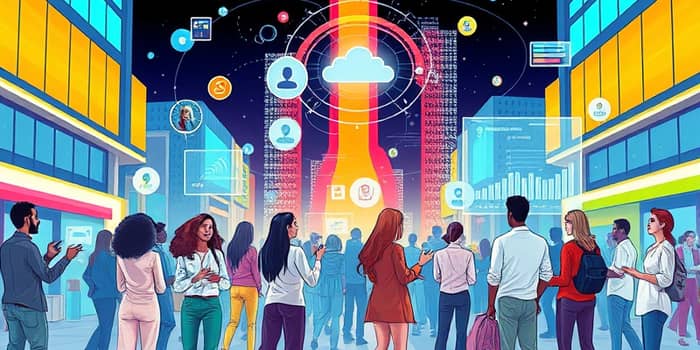
As we step into 2026, the lending industry is undergoing a dramatic transformation driven by technology, shifting borrower expectations, and evolving economic conditions. In this new era, lending is not merely a back-office function but an embedded, nearly invisible layer of financial experiences. Lenders and borrowers alike must adapt to a landscape defined by speed, transparency, and personalization.
By 2026, lending has become Digital-first, automation-driven, AI-enabled lending at scale, replacing legacy workflows with frictionless, end-to-end processes. Traditional brick-and-mortar branches are now complemented by omnichannel platforms, while loan decisions happen in seconds rather than weeks.
Borrowers have grown accustomed to applying for credit anytime, anywhere, expecting outcomes almost instantaneously. Key expectations include:
On the economic front, interest rates remain elevated but are easing from recent highs, encouraging homeowners and consumers to consider new credit opportunities. Rising credit balances reflect growing consumer confidence, and mortgage refinancing is set to surge as rates dip into more affordable territory.
This combination of easing rates and rising demand is poised to unlock significant refinancing activity, with economists forecasting more than a 30% increase in originations.
Artificial intelligence and machine learning are the backbone of the modern lending ecosystem. Lenders deploy sophisticated algorithms to assess risk, personalize offers, and automate decisions, transforming every stage of the loan lifecycle.
Leading AI/ML models now analyze a broad array of alternative data sources beyond credit bureaus:
These capabilities enable real-time credit scoring in seconds, allowing lenders to evaluate creditworthiness instantly during application flows. By harnessing predictive analytics, financial institutions can identify potential defaults early, deploy proactive interventions, and lower overall default rates.
Decision engines powered by AI facilitate instant automated decisioning at scale, dynamically adjusting approval rules, collateral requirements, and pricing based on up-to-the-minute risk assessments. This scalability ensures consistency, auditability, and speed, all while reducing reliance on manual underwriting teams.
On the personalization front, lenders leverage AI-driven insights to craft tailored products: interest rates are customized to reflect each borrower’s risk profile and cash-flow dynamics. Repayment schedules can shift dynamically, aligning with seasonal income variations or broader economic trends. AI systems can even detect when refinancing or restructuring might benefit the borrower, suggesting optimal opportunities proactively.
Conversational AI and GenAI co-pilots further enhance the borrower and lender experience. Intelligent chatbots provide 24/7 support, guiding applicants through complex processes and nudging timely payments. Meanwhile, AI assistants help underwriters by surfacing critical social and transactional signals, expediting reviews and elevating decision quality.
The lending process has become fully digitized, encompassing origination, underwriting, disbursement, servicing, and collections on a single platform. Modern digital banking systems serve as a end-to-end digital loan lifecycle, minimizing manual handoffs and reducing operational cost.
Key benefits of this shift include faster time-to-yes for borrowers and improved data integrity for lenders. Automated identity verification tools complete Know Your Customer (KYC) checks in moments, while integrated fraud detection monitors risk in real time. Borrowers experience a seamless journey from application to disbursal, boosting satisfaction and retention.
For business borrowers, real-time risk assessments occur by the hour rather than by the day. Dashboards present actionable insights, while automated notifications and messaging keep customers informed at every step. This level of transparency fosters trust and cements long-term relationships.
Embedded finance extends credit beyond traditional channels, placing lending options directly into everyday digital experiences. Whether at checkout in an e-commerce app, within a ride-hailing service, or through a super-app’s digital wallet, consumers encounter credit offers at the most relevant moments.
By leveraging AI-powered real-time signals, platforms can underwrite and approve loans without redirecting users to external sites. Eligibility expands as alternative data sources introduce more borrowers to credit, broadening financial inclusion. This upstream integration ensures credit is offered before borrowers consciously seek it, opening new revenue streams for lenders and partners alike.
As a result, banks and fintechs collaborate on marketplace models and embedded offerings, reshaping borrower discovery. Non-bank lenders now capture a growing share of mortgage originations and consumer loans, challenging legacy institutions to innovate or risk falling behind.
Consolidating Loan Origination Software (LOS) and Loan Management Systems (LMS) into unified platforms is a defining trend. These integrated solutions provide consistent data flows across the entire lending lifecycle, enabling rapid product innovation and robust audit trails.
Automation reduces manual underwriting, streamlines documentation, and enforces compliance at every step. With compliance-by-design embedded in workflows, lenders can demonstrate regulatory adherence, maintain transparent decision logs, and satisfy audit requirements without cumbersome reporting processes.
This approach not only controls costs but also fosters trust among regulators, investors, and borrowers. As AI systems proliferate, ensuring explainability and fairness in underwriting models becomes paramount, and compliance-by-design remains the guiding principle for responsible innovation.
Ultimately, the future of borrowing hinges on the strategic use of data to build transparent, trust-based relationships. Advanced analytics surface early warning signals, inform dynamic pricing, and drive informed decision making at scale.
Borrowers benefit from clear disclosures, personalized guidance, and proactive support, transforming loans from emergency lifelines into strategic tools for financial well-being. Lenders, in turn, gain resilience through diversified risk management, optimized capital deployment, and enhanced customer loyalty.
As the boundaries between banking, commerce, and technology blur, lending will continue to evolve into an invisible, value-added service woven seamlessly into our daily lives. By embracing digital innovation, AI, and embedded finance, the industry stands ready to offer faster, fairer, and more personalized credit experiences than ever before.
Emerging innovations bring both promise and complexity. Lenders must manage data privacy, cybersecurity threats, and evolving regulatory landscapes while scaling AI-powered solutions. Ensuring responsible AI governance and oversight becomes a strategic imperative to maintain borrower trust and comply with global standards.
Moreover, fostering financial inclusion remains a central goal. As lending weaves into diverse ecosystems, stakeholders must guard against biases in data, ensure equitable access, and deliver financial education to empower borrowers. By balancing innovation with ethical considerations, the industry can unlock sustainable growth and unlock new markets.
In the coming years, collaboration between regulators, incumbents, and startups will shape the competitive landscape. Those who successfully blend human expertise with automated intelligence, embed credit thoughtfully, and uphold transparency will lead the next wave of lending evolution.
The future of borrowing is bright, driven by technology, data, and a shared commitment to customer-centricity. By embracing these innovations, lenders can deliver faster, fairer, and more personalized credit solutions than ever before, truly redefining what it means to borrow in the digital age.
References