Search
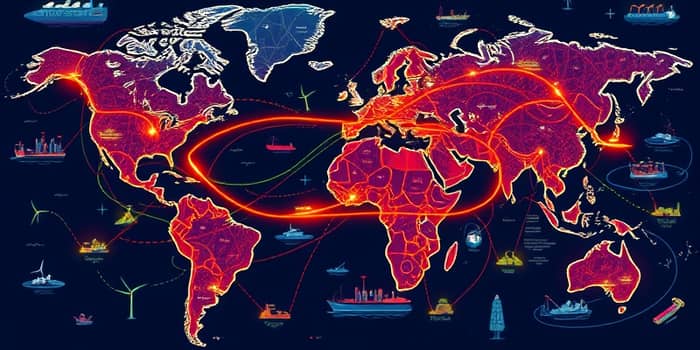
The modern landscape of energy is a captivating intersection of power, economics, and technology. From the oil shocks of the 1970s to the rise of renewables, nations have vied for dominance over resources and routes that fuel global growth. In this complex arena, understanding the driving forces can illuminate pathways to stability and cooperation.
The struggle for energy control has deep roots. In the 1970s, the world watched as oil embargoes reshaped economies overnight. Producer states in the Gulf realized the extent of their leverage, while importers scrambled to secure supplies.
Decades later, the U.S. shale energy revolution rewrote trade balances. Once reliant on foreign oil, America emerged as a leading exporter, altering traditional power equations and inviting a more multipolar market.
Recent conflicts have underscored the enduring role of energy in statecraft. The Russia-Ukraine war, for instance, exposed Europe’s gas dependence and ignited a rush for alternative supplies.
Meanwhile, tensions in the Middle East remain high. The Strait of Hormuz, a critical chokepoint, sees millions of barrels transit daily. Any disruption here reverberates through global markets.
In today’s interconnected markets, a handful of actors wield outsized influence. Their strategies reflect a blend of domestic priorities and international ambitions.
The energy shift extends beyond hydrocarbons. Solar panels, wind farms, and hydropower stations are decentralizing power at a breathtaking pace. Nations that once relied solely on oil revenues now eye the promise of cleaner sources.
The growing importance of critical minerals is reshaping mining and processing across continents. Lithium, cobalt, nickel, and copper are the lifeblood of batteries and electric vehicles. Control over these materials is the next frontier in resource competition.
The evolving energy order presents a dual narrative. On one side, anticipated market volatility and disruptions threaten supply chains and national budgets. Weaponization of resources can spark price spikes and geopolitical standoffs.
On the other, there are avenues for progress. International cooperation on climate finance, technology sharing, and transit security can foster a healthy interdependence among resource stakeholders. Transparent agreements could lower costs and reduce carbon footprints simultaneously.
Looking ahead, policymakers and businesses must embrace multifaceted approaches. Strengthening domestic production must go hand-in-hand with diversified import routes. At the same time, investment in innovation—
diverse renewable energy technologies and infrastructure—will be crucial to reduce reliance on a single resource or supplier. Enhanced stockpiles and emergency response plans can buffer short-term shocks.
Finally, forging partnerships that balance commercial interests with environmental stewardship can build strengthened strategic supply chain resilience. Through collaboration, nations can navigate the challenges of a polycentric energy order, ensuring both security and sustainability in a rapidly changing world.
References