Search
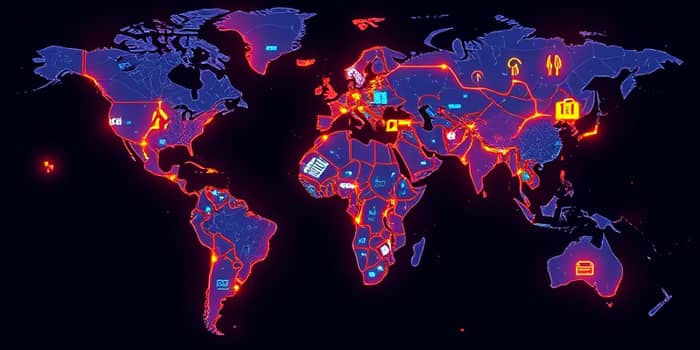
Energy and geopolitics are inseparable forces shaping our world’s future. From the deserts of the Middle East to the lithium mines of South America, the distribution of resources dictates alliances, rivalries, and economic destinies. As nations grapple with climate imperatives and strategic competition, understanding this complex interplay is more critical than ever.
This article explores how traditional fossil fuels maintain clout even as renewables and minerals redefine the global order. We will examine historical contexts, contemporary conflicts, and emerging battlegrounds, offering insights for policymakers, businesses, and engaged citizens.
Energy is not merely a commodity but a decisive tool for states seeking influence. Countries with vast reserves can shape alliances, reward partners, or pressure rivals. Take Russia’s gas pipelines into Europe: they serve not just to heat homes but to exert long-term political leverage and economic pressure. Similarly, Gulf states use oil diplomacy to build strategic coalitions and secure investment partnerships worldwide.
By controlling supply chains and financing infrastructure projects, resource-rich nations wield power beyond their borders. State-owned companies, sovereign wealth funds, and diplomatic channels coordinate to ensure that energy remains central to foreign policy strategies.
For decades, oil, natural gas, and coal dominated the geopolitical landscape. Major producers like Saudi Arabia and Russia could influence global price levels almost at will. They shaped market confidence through OPEC decisions or by leveraging production quotas, demonstrating that producer-state dynamics affect all economies.
Control over chokepoints such as the Strait of Hormuz or the South China Sea reinforced this order. Pipelines, shipping lanes, and refineries became strategic assets. Disruptions along these corridors—whether through conflict or sabotage—could send price spikes across continents.
War, sanctions, or infrastructure attacks can instantly destabilize global energy markets. The 2019 drone strikes on Saudi oil facilities cut nearly 5% of world supply overnight, triggering widespread volatility. Similarly, the war in Ukraine has reshaped Europe’s energy policies, forcing rapid diversification of suppliers and investment in new infrastructure.
Key mechanisms of disruption include:
These factors underscore the need for resilient infrastructure and diversified supply networks to protect national economies and sustain diplomatic options.
Sanctions have become a cornerstone of modern geopolitical conflict. By targeting oil exports, gas pipelines, or critical technology, states can exert pressure without direct military confrontation. Limiting a rival’s access to energy finance or shipping services can induce economic hardship and force policy shifts.
However, sanctions often produce unintended consequences: alternative trade blocs emerge, and seller states may offer discounted resources to new partners. This dynamic illustrates how energy embargoes can reshape global trade relations, creating longer-term alliances outside traditional frameworks.
The transition away from fossil fuels is not only an environmental imperative but also a geopolitical transformation. As solar, wind, and hydrogen technologies scale up, power becomes more decentralized. Countries that invest early in manufacturing capacity, research, and grid modernization stand to gain significant influence.
Yet, this shift introduces fresh vulnerabilities. Dependence on intermittent resources requires robust storage solutions and network integration. It also reallocates strategic importance to regions rich in specific technologies or expertise.
In the 21st century, competition over lithium, rare earths, cobalt, and nickel rivals the old scramble for oil fields. These minerals are essential for:
Countries endowed with these resources—or with the capacity to refine and process them—will command strategic advantages. This reality has spurred new trade agreements, mining investments, and industrial partnerships aimed at securing long-term access to critical mineral chains.
Energy geopolitics today unfolds against the backdrop of U.S.–China competition, Russia’s confrontation with the West, and a broader multipolar agenda. China’s Belt and Road Initiative channels investments into infrastructure and mining projects across Africa, Asia, and Latin America, while the U.S. and European Union pursue alliances to secure clean-energy supply chains.
Russia, historically reliant on fossil fuel exports, seeks new markets in Asia and political allies willing to overlook Western sanctions. Each major power leverages energy investments, technology transfers, and financing instruments to expand influence and shape the emerging order.
The global energy transition also highlights tensions between the Global North and Global South. Northern nations emphasize climate action, supply diversification, and high-tech manufacturing. Southern countries prioritize development, access to affordable energy, and climate finance to support industrialization.
Rapid decarbonization risks leaving vulnerable economies without reliable power if renewable uptake stalls due to high costs or material shortages. Balancing these priorities requires equitable financing mechanisms, technology sharing, and capacity-building initiatives to foster inclusive, sustainable development pathways.
Rather than choosing between costly autonomy or zero-sum competition, states can pursue a vision of healthy interdependence. By pooling resources, sharing research, and establishing transparent supply chains, countries can mitigate geopolitical tensions and reduce the risk of market shocks.
Key steps toward cooperation include:
Building trust and aligning policies around shared climate and security goals will determine whether the energy transition becomes a driver of conflict or a catalyst for cooperation and prosperity.
In an era of shifting power dynamics, understanding the interplay of energy and geopolitics is essential for crafting resilient strategies. By viewing energy as both a commodity and a strategic instrument, stakeholders can navigate disruptions, leverage emerging opportunities, and foster a more secure, sustainable world.
References