Search

In a world overflowing with financial data, a centralized, customizable snapshot of investments can be the difference between feeling overwhelmed and making confident decisions. By building a personalized dashboard, you gain real-time visibility into portfolio performance, track progress toward goals, and take proactive steps to optimize your wealth.
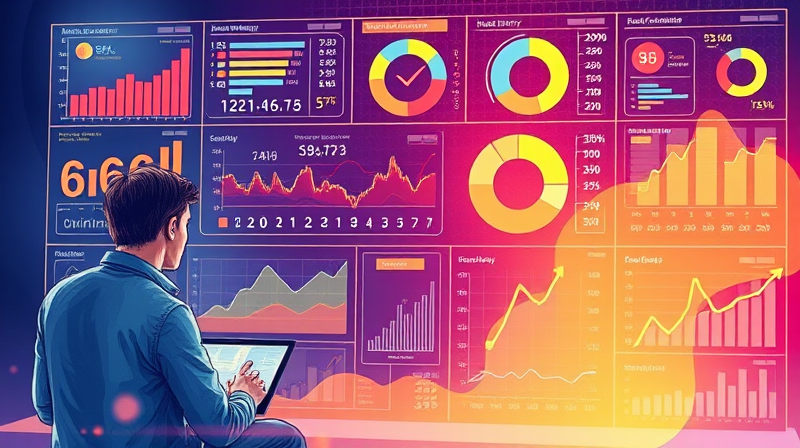
A personal investment dashboard is a single portal that aggregates all your financial accounts—bank balances, brokerage holdings, crypto wallets, and debts—into one view. It presents metrics such as net worth, asset allocation, savings rate, and liquidity at a glance.
Instead of toggling between websites or spreadsheets, you see all critical financial metrics together, enabling faster, more informed decisions and reducing manual reconciliation work.
Every investor’s priorities differ, but these core widgets form the backbone of any effective dashboard:
Personalizing your view begins by aligning metrics with your financial goals. If retirement is near, emphasize income sources and stress tests; if building an emergency fund, highlight savings rate and liquidity.
Use filters and sorting to focus on specific portfolios or currency views. Add contextual notes beneath charts to remind yourself of market conditions or planned events. Role-based views—such as separate tabs for retirement planning and speculative crypto—keep the interface uncluttered.
Selecting the right platform hinges on your balance between ease and flexibility. The following table contrasts popular options:
Once the basics are in place, explore AI-driven insights that suggest rebalancing strategies or flag unusual portfolio concentrations. Integrations with tax software can pre-populate gains and losses each year. You may even share read-only dashboards with financial advisors or family members, granting targeted access to views relevant to their roles.
Building a tailored investment dashboard empowers you with continuous insight, freeing time and mental bandwidth for strategic planning. By tracking the right metrics, choosing the optimal tool, and maintaining best practices, you transform scattered data into a cohesive, proactive financial management system. Start today: define your goals, select your platform, and experience the confidence that comes from seeing your financial world clearly in one place.
References