Search
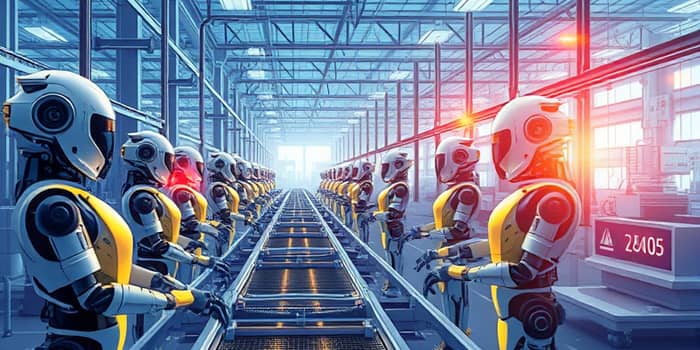
In an age defined by technological leaps, the rise of automation offers both promise and challenge. From factory floors to healthcare labs, embracing change can unlock unprecedented potential. This article explores the sweeping influence of automation on industry, economy, and workforce, and provides guidance for organizations and individuals aiming to thrive.
The global industrial automation landscape is witnessing extraordinary growth. According to recent projections, the market will grow from USD 265.50 billion in 2026 to USD 836.80 billion by 2040. These numbers reflect an ecosystem driven by hardware innovations, software breakthroughs, and a surge in integrated services.
For regional context, the U.S. segment alone reached USD 47.04 billion in 2024 and is expected to grow at a 10.6% CAGR through the next decade. Estimates for 2025 place the worldwide market at nearly USD 226.76 billion, fueled by smart manufacturing and AI initiatives that redefine efficiency and precision.
These numbers are more than statistics; they signal a transformative shift in how businesses operate, compete, and innovate. Embracing automation is no longer optional—it’s essential for future resilience.
Automation’s influence spans countless industries, each adopting technology to meet unique challenges and opportunities. In manufacturing, robots handle welding, assembly, and quality control, delivering precision that human hands simply cannot match. The automotive sector leads robot adoption, increasing throughput and safety on assembly lines.
Food and beverage operations benefit from automated packaging and sorting, ensuring hygiene and consistency in every product. Healthcare and pharmaceuticals deploy AI-driven diagnostics alongside robotic packaging systems, accelerating drug distribution while maintaining rigorous safety standards.
Other key sectors include:
Together, these sectors demonstrate how automation delivers tailored solutions, from discrete electronics manufacturing to large-scale power generation.
As we move beyond 2025, several trends are shaping the automation narrative. These forces drive investment priorities and technological roadmaps for companies worldwide.
These trends underscore why software-driven services are expanding more rapidly than traditional hardware, even as hardware remains the foundation for any smart facility.
Automation isn’t just a technological upgrade—it’s a catalyst for measurable business performance. Companies that adopt these solutions report tangible improvements across multiple dimensions.
These benefits translate into stronger financial outcomes, improved customer experiences, and a more sustainable operational footprint. Embracing automation equips businesses with unprecedented productivity and efficiency gains that fuel growth.
Automation inevitably reshapes job roles and skill requirements. Rather than replacing humans, technology often augments their capabilities, creating new career paths and opportunities.
Research shows roles that involve routine tasks may decline, while specialized positions commanding higher pay emerge. For example, inventory clerks saw employment double even as wages fell by 13%, reflecting shifted expertise and demand.
To harness this potential, organizations must invest in human capital:
By prioritizing upskilling and reskilling, companies build a workforce that thrives alongside emerging technologies, ensuring long-term competitiveness and employee satisfaction.
Despite its promise, automation adoption faces hurdles, especially for small and medium enterprises. Implementation costs, integration complexities, and workforce readiness can slow progress. Yet these obstacles are not insurmountable.
Leaders can take practical steps to accelerate transformation:
Looking ahead, trends like emerging agentic AI and no-code platforms will democratize automation, making it accessible to businesses of all sizes. Organizations that act decisively today will be the industry leaders of tomorrow.
The story of automation is one of transformation, resilience, and possibility. From soaring market projections to the frontlines of factory floors and beyond, the integration of intelligent systems redefines how we work, compete, and innovate.
By understanding market dynamics, embracing key trends, nurturing talent, and overcoming challenges, businesses and professionals can seize the opportunities automation offers. The path forward leads to smarter operations, empowered workforces, and sustained growth—an inspiring journey into the future of industry.
References